U.S. Steel Ownership Stake Held exclusively by Trump Revealed
In a unique turn of events, the U.S. government has approved a deal that allows Japanese steel giant Nippon Steel to acquire U.S. Steel. This agreement, dubbed "The Golden National Security Agreement," is not your typical business deal.
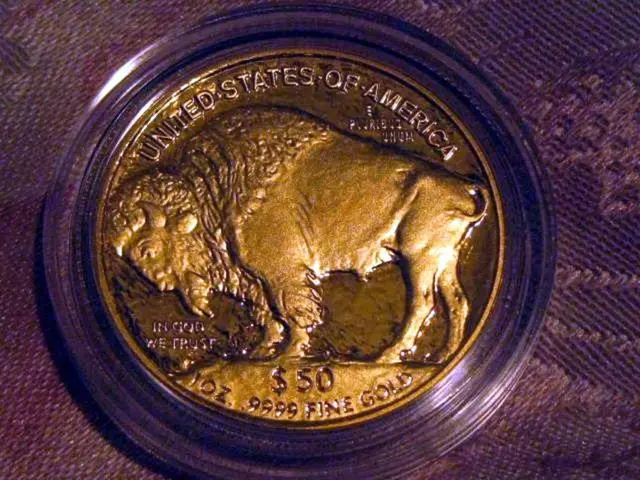
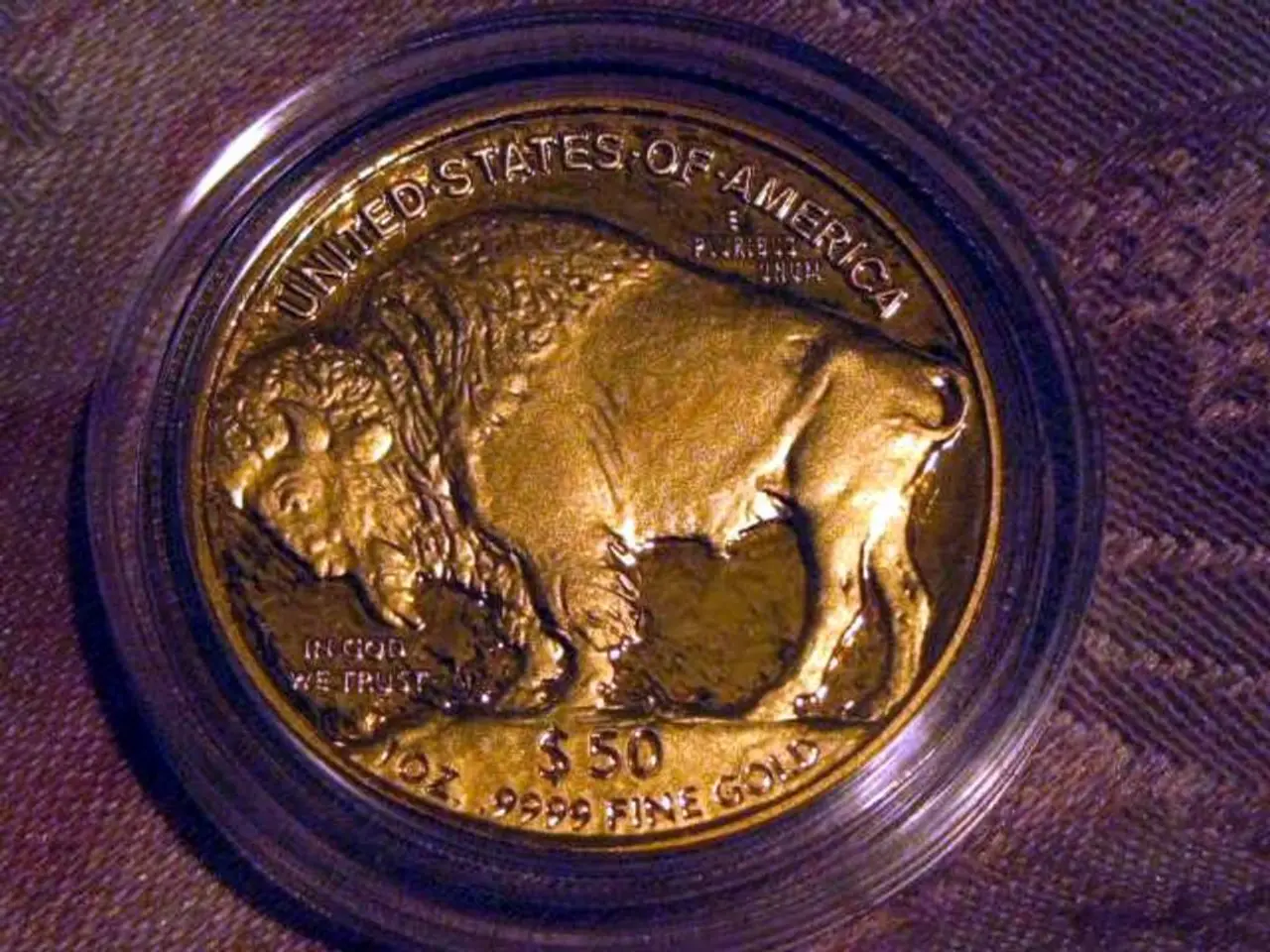
The White House chose this name to avoid the term "metallic-gray share," a moniker for a special type of share known as a golden share. This share grants its holder, in this case, the U.S. government, extraordinary control rights over a company, even with a small equity stake.
The Committee on Foreign Investment in the United States (CFIUS) has been reviewing a broader category of business transactions, including cybersecurity, AI, biotechnology, clean energy, and now the U.S. Steel deal. However, unlike classical European uses of the golden share, which were mainly defensive tactics by governments to prevent foreign takeovers, the U.S. government used it in support of a foreign acquisition, while still keeping a controlling position within the company to safeguard strategic concerns.
The U.S. government's involvement in the U.S. Steel deal does not involve a direct equity stake. Instead, it has been granted extra-special governance rights. This means the U.S. government can appoint a director to the board and exercise consent rights on specific matters, effectively letting the government influence and block corporate actions that could threaten national security.
President Trump has a say in the operations of U.S. Steel as part of the deal. He holds the power to approve or veto key decisions, such as factory closures, salary reductions, and technology transfers. This represents a rare and powerful regulatory tool embedded directly into the corporate governance of a private company, going beyond traditional regulatory oversight.
The U.S. Steel deal requires Nippon Steel to invest billions of dollars updating mills. Interestingly, the company cannot change U.S. Steel's name as part of the agreement.
This arrangement creates a "geopolitical risk premium" for investors, as the company's valuation now factors in not only financial but also national security considerations. The golden share effectively ensures that Nippon Steel's control over U.S. Steel is conditioned by U.S. government oversight on key decisions.
Some have referred to this as a "symbolic golden share" due to the absence of a direct equity stake. Regardless of the term, this deal marks a significant shift in how strategic industry assets are governed and valued in the U.S.
It's important to note that the concept of the golden share is not new, originating in the UK in the 1980s during the privatization of state-owned industries. However, its use in the U.S. is a novel development.
Initially, President Trump did not support the purchase of U.S. Steel by Nippon Steel. But after careful consideration and the implementation of this unique agreement, the deal has been approved, signifying a new era in U.S. Steel's governance.
- The Committee on Foreign Investment in the United States (CFIUS) has been expanding its review to include not just traditional industrial sectors, but also technology, cybersecurity, AI, biotechnology, and clean energy, as seen in the recent U.S. Steel deal.
- The unique "The Golden National Security Agreement" allows the U.S. government to maintain a controlling position in U.S. Steel, despite not holding a direct equity stake, giving it the power to appoint a director and exercise consent rights on specific matters, influencing and blocking actions that may threaten national security.
- The U.S. Steel deal, which involves Nippon Steel investing billions of dollars to update mills, has a significant impact on the company's valuation, as it now includes national security considerations in addition to financial factors, creating a "geopolitical risk premium" for investors.