Wind turbine applications seeing a notable increase - Uncovering the expansion process - Rapidly increasing submissions for wind turbine installations - an overview of the ongoing expansion process
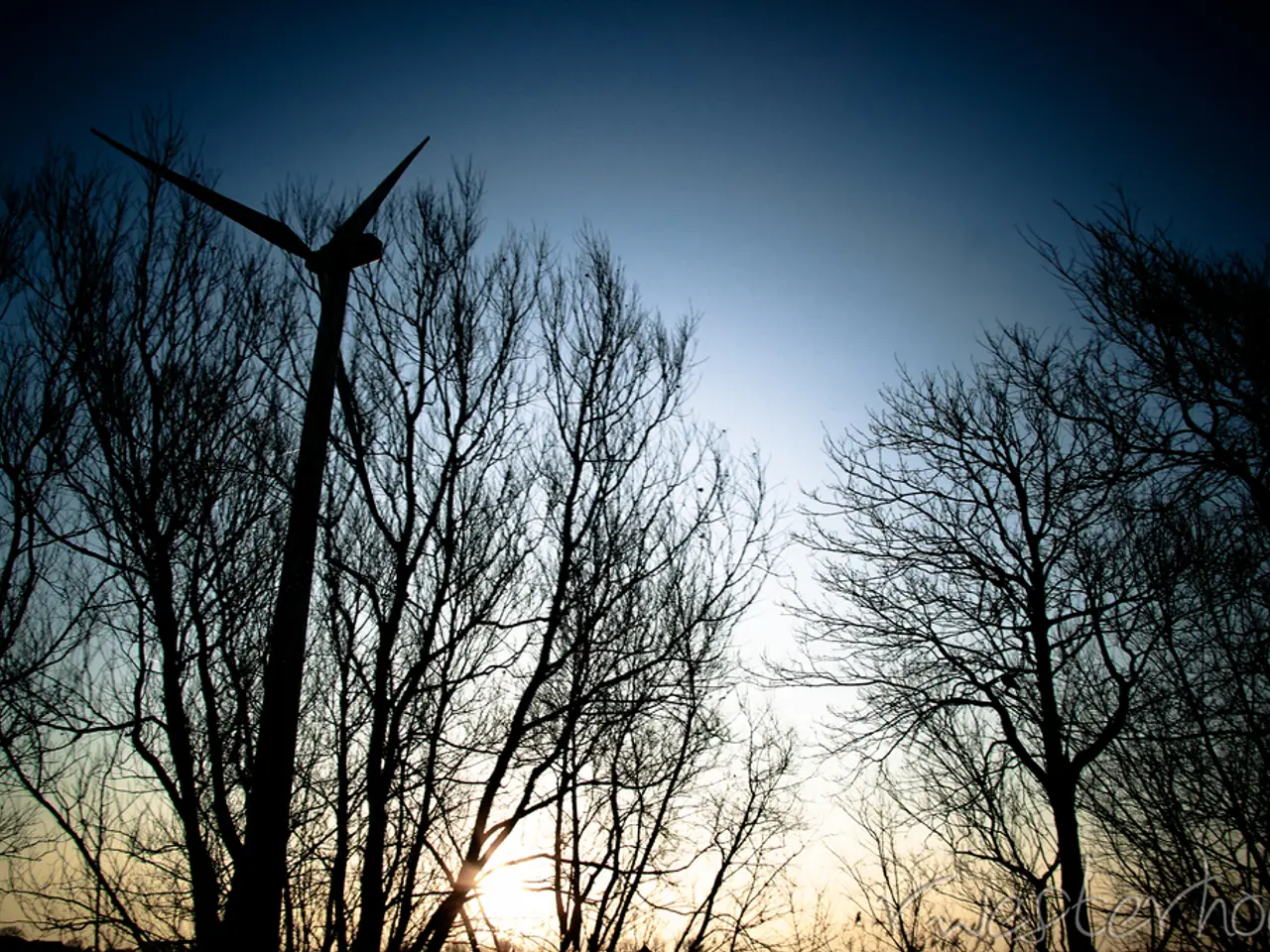
In 2025, Germany is experiencing a significant surge in wind turbine installations, marking the country's largest expansion since 2017. Over 400 new turbines with a combined capacity of 2.2 gigawatts (GW) have been installed in the first half of the year alone, representing a 66% increase in onshore wind additions compared to previous years.
This boom is primarily driven by accelerated installation efforts and supportive policies. The Renewable Energies Act (EEG) 2023 has simplified and expedited planning, permitting, and expansion procedures for onshore wind projects, reducing regulatory barriers and mandating increased land allocation for wind energy. Clear targets and national goals, such as raising installed capacity from 64 GW (2024) to 115 GW by 2030, have incentivized rapid deployment.
The surge in applications for new wind turbines in the southwest reached an unprecedented level in one month, totaling approximately 1,100. Wind power companies submitted applications to secure a simplified approval procedure, with at least 300 approvals expected to be decided on next year. It is anticipated that it would take around four years for all the newly applied-for wind turbines to be approved.
The expansion of solar power is also going well, with a total of 2,120 megawatts of new capacity installed in the past year, and around 1,000 megawatts added in the first half of the current year. The boom strengthens Germany’s GreenTech sector, a key driver of innovation, global trade, and economic resilience, where Germany ranks third globally in GreenTech patents.
However, the rapid expansion poses challenges for grid integration and stability, as the power system must adapt to growing intermittent wind energy supplies. To meet its ambitious renewable energy and carbon reduction targets by 2030, further land availability, streamlined regulations, grid expansions, and public acceptance remain critical.
The boom in applications is attributed to the expiration of a special regulation at the federal level that simplified the approval process for wind turbines in designated priority areas. Minister-President Winfried Kretschmann had previously adopted the figure of 1,000 new wind turbines, setting a goal of building 100 new wind turbines in 2024, but only 22 new wind turbines went into operation in 2024.
The country aims to install wind turbines with a total capacity of 6,100 megawatts by 2030, according to a study. Minister of the Environment Thekla Walker now considers this goal fulfilled, exceeding the target from the coalition agreement. The boom in wind turbine installations in 2025 is a significant step towards Germany's transition towards a carbon-neutral energy system.
- The Renewable Energies Act (EEG) 2023, with Simplified planning, permitting, and expansion procedures for onshore wind projects, has led to increased employment opportunities in EC countries within the renewable-energy industry, as the accelerated installation of wind turbines necessitates significant finance for energy investments.
- As the industry expands and meets the ambitious renewable energy targets, employment policies in EC countries must adapt to accommodate the growing demand for expertise in renewable-energy technology and finance, fostering a resilient and sustainable economy.