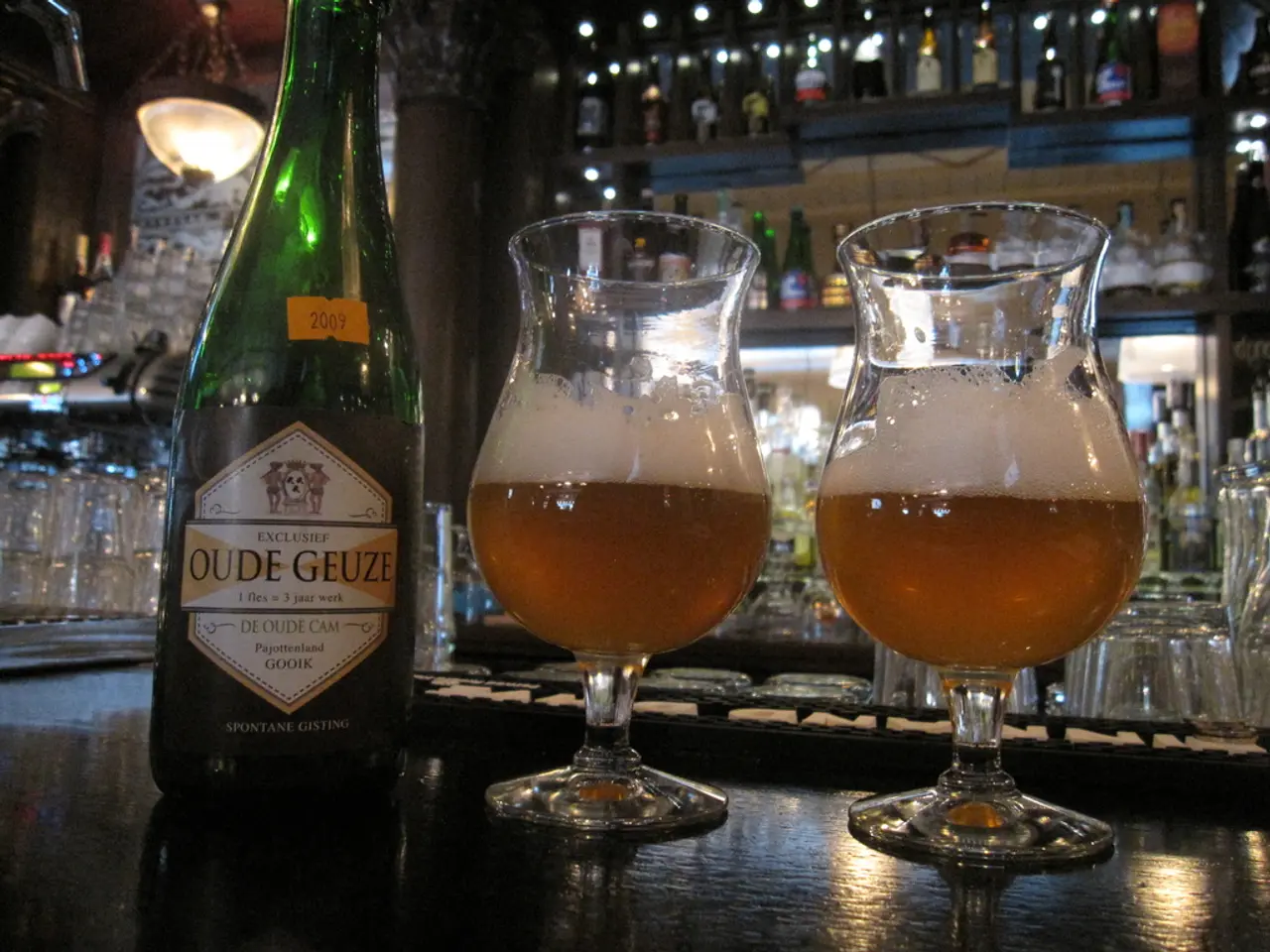
Import duties on European wines and spirits officially commence in the United States
The Douro region, famed for its Port wine, has seen a significant portion of its exports headed to the North American market. In 2020, nearly €36 million worth of wine was shipped across the Atlantic, making the US a valuable and strategic market. However, this situation is under threat due to the imposition of tariffs on European wines, including Portuguese wines.
The tariff rate for spirits remains unclear, with a long-standing agreement for zero or most-favored-nation tariffs. The current tariff on Portuguese wines exported to the US has increased from 10% to 15%, jeopardizing one of the most important export markets for Portuguese producers. This increase comes at a time when the Portuguese wine sector is already facing difficulties, including a sharp drop in grape prices, rising production costs, and contract cancellations.
The US market represented 2% growth in 2024 for Portuguese wine exports, according to ViniPortugal data. However, the uncertainty caused by the tariff imposition has led North American importers to suspend orders for European wines, costing European companies approximately €100 million per week, as reported by the European Committee of Wine Companies (CEEV).
The proposed tariff of up to 200% on European wines, threatened by President Trump in March 2025, has not been fully implemented. Instead, the US has reinstated and updated country-specific tariffs, with most countries being assigned tariffs ranging from 10% to 41%. The tariff on Portuguese wines falls under these country-specific rates, stemming from unresolved trade negotiations and retaliations from both sides.
The imposition of these tariffs is another chapter in the escalating trade tensions between Washington and Brussels. Brazil, for example, has pledged a retaliatory 50% tariff on US imports if the US proceeds with threatened tariffs, highlighting the potential for further escalation among trading partners connected to the US-EU tariff framework affecting wines.
The future prospects for Portuguese and other European wines in the US market depend largely on ongoing trade negotiations and possible tariff adjustments or removals pending diplomatic agreements. The reinstatement of country-specific tariffs signals a continuation of protectionist trade policies, which could sustain elevated tariffs on European wines, including those from Portugal, unless new trade deals soften these terms.
Notable figures in the European wine industry, such as Bernard Arnault, chairman of LVMH and Europe's richest man, are actively lobbying to protect the sector. Arnault has been in discussions with both the Trump administration and the European Commission, advocating for exemptions for wine and spirits. LVMH, a significant player in the European wine and spirits industry, is affected by the tariff imposition and the trade tensions between Washington and Brussels.
As the discussions on wine and spirits tariffs continue throughout the fall, following the finalization of the joint statement on the framework trade agreement, the future of the Portuguese wine sector hangs in the balance. The protests of more than 500 producers from the Douro region in Peso da Régua serve as a testament to the gravity of the situation. The wine industry, a cornerstone of Portugal's economy, stands to lose significantly if the tariffs remain in place.
The escalating trade tensions between Washington and Brussels have led to the imposition of tariffs on Portuguese wines exported to the US, increasing from 10% to 15%. This tariff increase, combined with the sector's existing difficulties such as a drop in grape prices, rising production costs, and contract cancellations, could potentially cost European companies around €100 million per week.
The future of the Portuguese wine sector's export market in the US remains uncertain, largely depending on ongoing trade negotiations and possible tariff adjustments or removals. Notable figures like Bernard Arnault, chairman of LVMH, have taken an active role in lobbying for exemptions for wine and spirits, as the reinstatement of country-specific tariffs signals a continuation of protectionist trade policies.