Effort by Eiserner Rhein 2.0 to Halt Railway Expansion Succeeds in Public Vote
In the heart of North Rhine-Westphalia, the city council of Wegberg has given the green light to the expansion and modernization of the Mönchengladbach - Wegberg - Dalheim railway track. However, a new citizen initiative, "Iron Rhine 2.0," has raised concerns about the project, questioning its necessity and environmental impact.
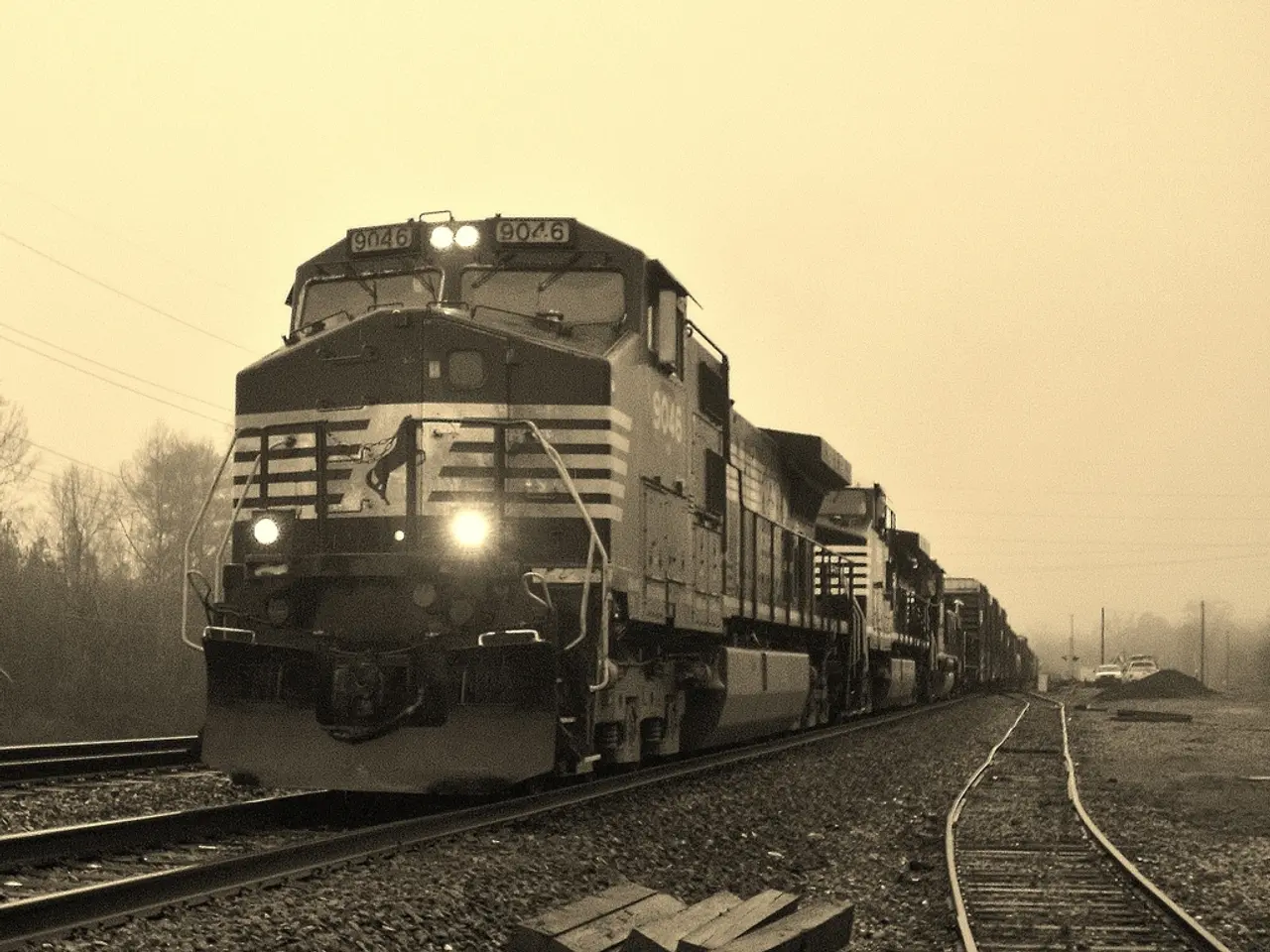
Günter Arnolds, a co-founder of the initiative, has expressed his doubts about the reasons for the project's expansion, particularly given the occasional scarcity of passengers on trains. Arnolds and his fellow co-founder, Quade, voice their concerns that the expansion could pave the way for increased freight traffic.
The proposed expansion could potentially include a second track, aiming to improve regional connectivity and public transport. The modernization would facilitate easier and more efficient travel for residents, commuters, and businesses between Mönchengladbach, Wegberg, and Dalheim.
However, the initiative argues that the benefits of the expansion may not outweigh the potential drawbacks. They cite environmental concerns, lack of profitability, health risks from noise and vibration, and potential damage to the city of Wegberg from traffic jams as reasons against the project.
The city council, in approving the project, likely took into account several key factors. Improved rail infrastructure can stimulate local economic growth, attract investment, and create jobs. The project is also aligned with broader regional or state transport policies aimed at promoting sustainable mobility and reducing road traffic congestion.
Mitigation measures for environmental and health concerns are also likely to be part of the plan. These might include noise barriers, careful routing, measures to protect natural habitats, and stringent safety standards.
Despite profitability concerns, public transport infrastructure is often subsidized as a public good to deliver social and environmental benefits that cannot be captured by profitability alone. The council may have also received assurances that freight traffic would be limited or managed to minimize disturbances and health risks.
Despite these assurances, the citizen initiative remains sceptical. They argue that several studies have refuted the alleged traffic collapse in the event of non-expansion of the railway line. The initiative has been observing the railway track that runs through their gardens for years and is inviting interested citizens to an information event on Wednesday, 27 August, at 7 pm in the HarQ room, Kringskamp 1b, in Wegberg.
The company involved in the proposed railway expansion project is go.Rheinland. In November 2024, the city council withdrew its consent to a five-point clause with environmental concerns in the new 4,177-page regional plan of the Cologne regional government, but has since given approval for the railway expansion project.
The debate continues, with the citizen initiative pressing for more transparency and a reconsideration of the project's necessity, while the city council maintains that the benefits outweigh the drawbacks. The future of the Mönchengladbach - Wegberg - Dalheim railway track expansion remains uncertain as the citizens of Wegberg watch and wait.
- The Economic and social policy implications of the Mönchengladbach - Wegberg - Dalheim railway track expansion project extend beyond improved regional connectivity and public transport; it can stimulate local economic growth, attract investment, and create jobs, aligning with broader regional or state transport policies aimed at promoting sustainable mobility and reducing road traffic congestion.
- The Iron Rhine 2.0 initiative has raised concerns about the necessity and environmental impact of the railway expansion project, citing potential drawbacks such as environmental concerns, lack of profitability, health risks from noise and vibration, and potential damage to the city of Wegberg from traffic jams, advocating for more transparency and a reconsideration of the project's necessity.