Delays in Manufacturing Production: 5 Key Causes Explored!
Sure thing! Here's a revised version of the article, with added insights, restructured paragraphs, and varied sentence structure.
Manufacturing Production Delays: Sources and Solutions
Manufacturing production delays can deal a heavy blow to a company's profitability, customer satisfaction, and overall reputation. Let's dive into some common reasons behind these delays and uncover some effective strategies to keep them at bay.
Design Changes
Changes in design are inevitable as customers' needs and market trends evolve. Identifying design modifications shouldn't be a chore, but implementing them can pose a challenge. Occasionally, these alterations also originate from the quality assurance department. Regardless of the root, design changes necessitate alterations in the manufacturing process, and that process may take some time, potentially causing a delay.
To minimize these disruptions, makers must conduct thorough design reviews and approvals early on to deter late-stage modifications that can throw a wrench in the production schedule. Moreover, using standardized operating procedures (SOPs) can make adjustments seamless by ensuring such changes are clearly communicated and integrated smoothly within the production process.
Stockouts
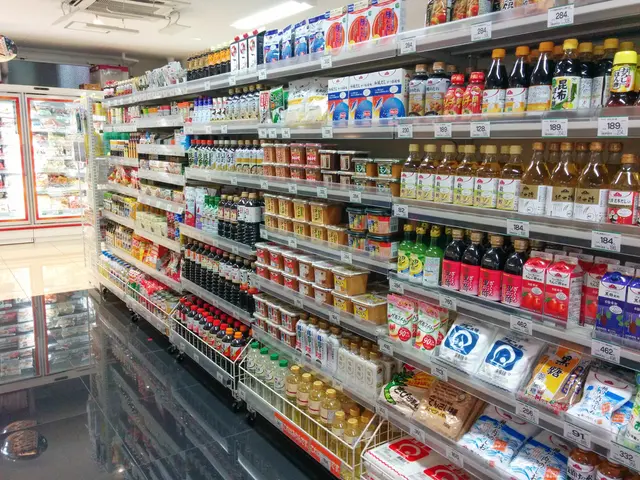
Stockouts are a nightmare for manufacturers as they halt production due to the lack of raw materials. These pauses result in lost time and prolonged delivery schedules, leading to dissatisfied customers. In the event of prolonged stockouts, losses may escalate to include sales, customers, and market share. This misery can be mitigated thanks to inventory process automation and just-in-time manufacturing which help manufacturers economize on inventory management, minimize stockouts, and maintain a steady production pace.
Equipment Breakdown
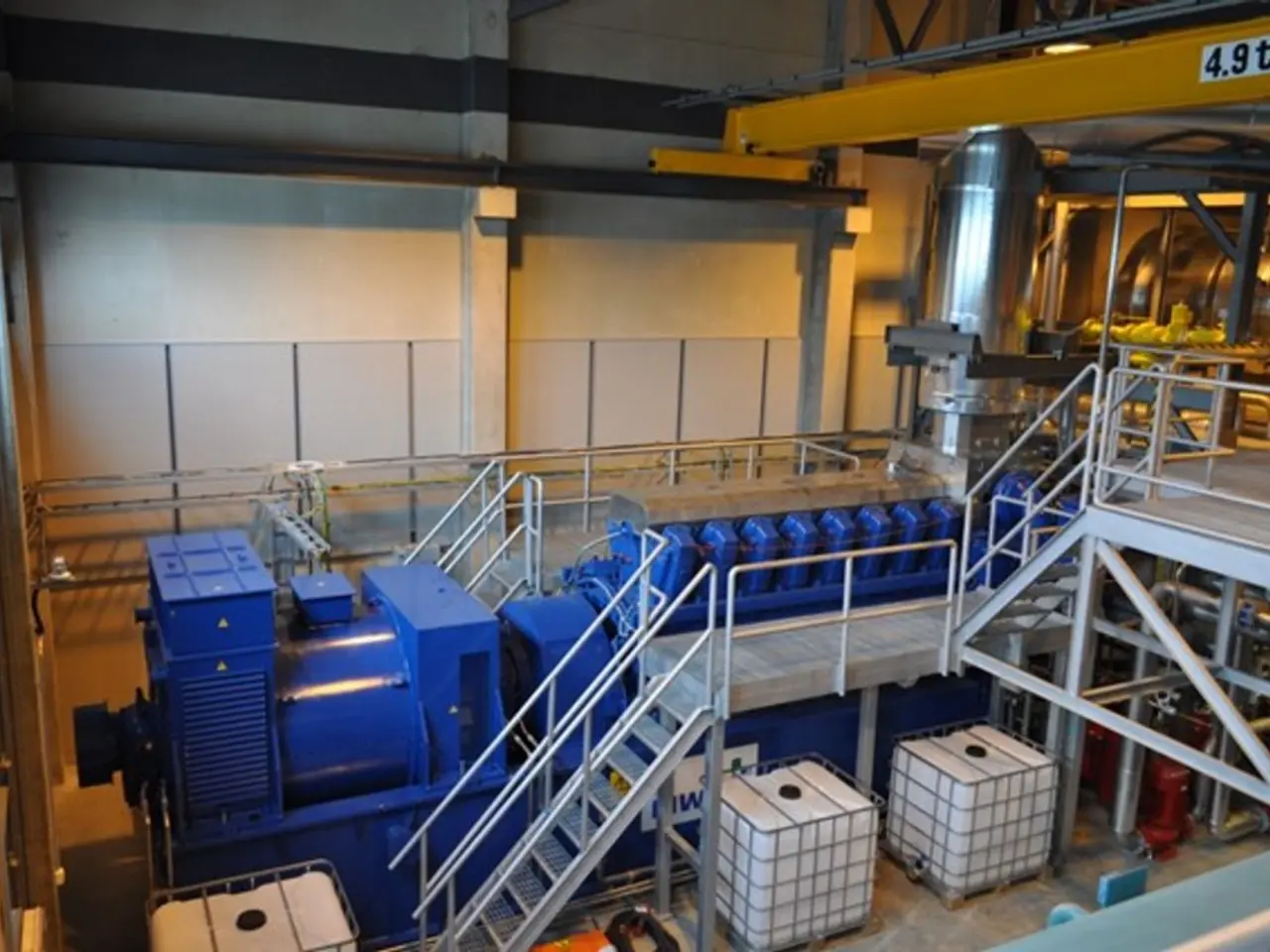
Equipment malfunctions are a common culprit for downtime, causing manufacturing production delays. Machinery may go awry due to aging, negligence, or lack of maintenance. Fixing a machine, testing it, and making it productive again can be an easy fix when the right parts and personnel are on hand. However, things can become knotty when the machine requires custom-made parts that aren't readily available. In such cases, partnering with a company that provides custom fitting fabrication services ensures you can get your machinery back online swiftly and minimize production delays.
Unnecessary Processes
Performing every step of the manufacturing process yourself can add unnecessary time to the production cycle, diminishing the company's output and return on investment. This inefficiency can lead to delays in delivery and, in turn, trigger further downstream consequences. To avoid this, businesses should consider outsourcing some subassembly tasks, freeing up valuable time and reducing manufacturing delays.
Supplier Delays
Similar to stockouts, supplier delays and disruptions can leave manufacturers high and dry, impacting production and delivery schedules. Some vendors may refrain from communicating issues because they're trying to resolve them on their own. When that fails, everyone on the supply chain feels the pinch. Manufacturers that rely on these materials to meet customer deadlines will feel the sting the hardest.
To cope with these hiccups, manufacturers can develop strong relationships with several suppliers to maintain a diverse supply network. Adopting historical data and trend analysis to predict potential bottlenecks helps make proactive decisions and respond promptly to minimize production disruptions. Additionally, maintaining contingency plans, such as temporary staffing or workforce adjustments, ensures swift action to counteract supplier delays and keep production on track.
Preventing manufacturing delays requires a combination of strategies, such as optimizing processes, investing in equipment redundancy, and adopting data-driven decision making. By staying agile and adaptable, manufacturers can keep production running smoothly and meet the demands of today's fast-paced market.
The manufacturing industry can leverage automation in inventory management to prevent stockouts and maintain a steady production pace, minimizing delays and potential losses.
Moreover, in the finance sector, establishing relationships with multiple suppliers and adopting historical data analysis can help manufacturers anticipate potential supply chain disruptions, improving their responsiveness and mitigating manufacturing production delays.