
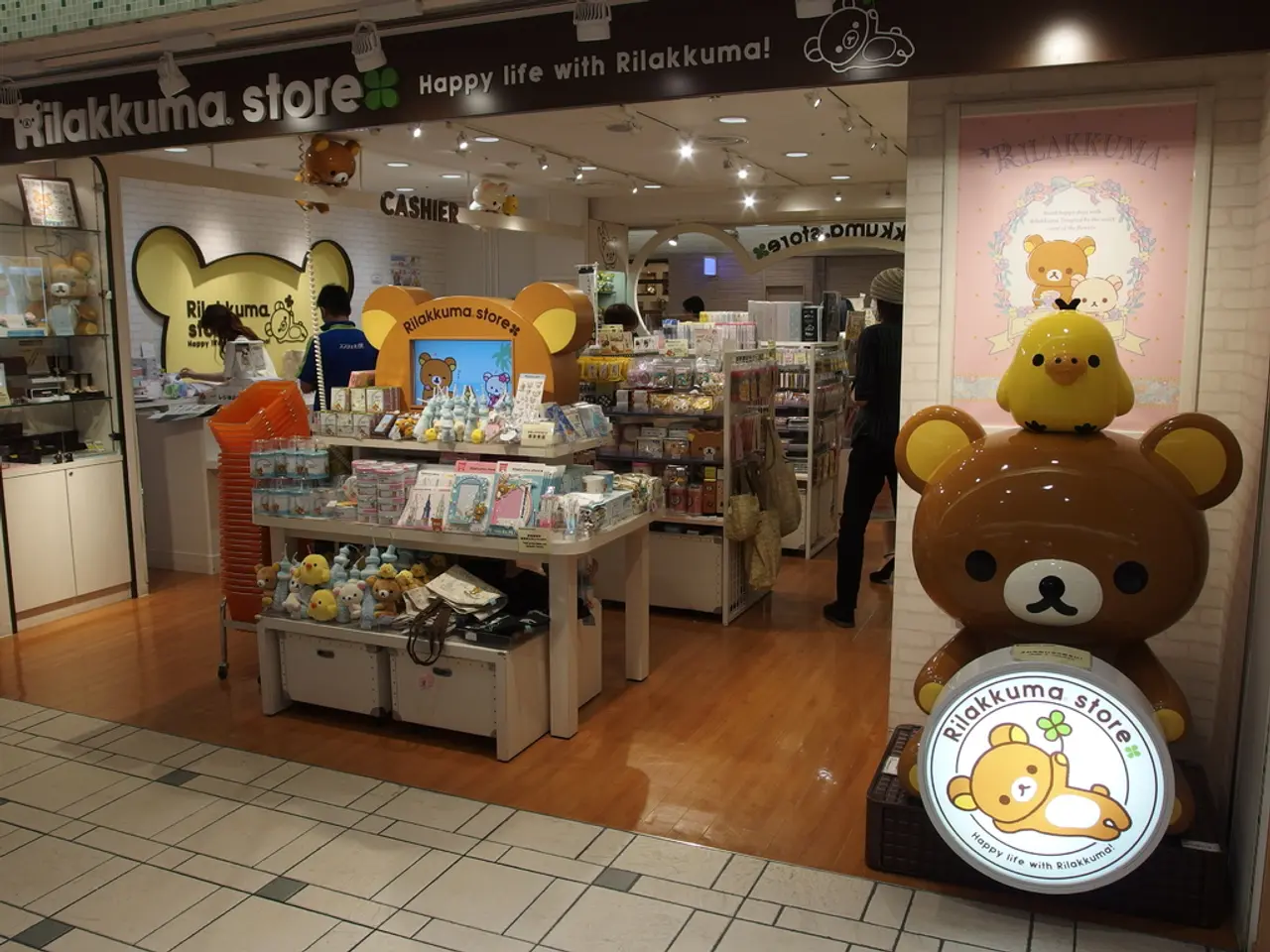
Crafting an exclusive shopping experience needn't involve grand spectacles. What consumers truly crave is a compelling narrative that boosts their self-image.
In a heartfelt note taped to the window and shared on Instagram, Brigitte Prat, the owner of Lulu's Cuts and Toys, announced the closure of her beloved children's toy store and hair salon after 22 years of business in the Park Slope neighborhood of Brooklyn.
The store, a popular destination for birthdays, last-minute baby showers, and unique discoveries, offered a variety of items such as cute vegetable pun onesies, whoopie cushions, stretchy rubber rainbow-coloured ramen noodles, assorted Harry Potter wizard wands, and more.
The closure of Lulu's Cuts and Toys is a reminder of the challenges faced by small, independent businesses in the current retail landscape. The store's owner, a single mother and first-generation American, raised her daughter in the community where her business was located. The note from Brigitte and her daughter, Lulu, the store's namesake, emphasised the importance of supporting small businesses in the community.
Small, local brick-and-mortar businesses struggle against big-box online retailers like Amazon. Amazon's massive scale, advanced logistics, and integrated global platform provide a truly global customer base, allowing sellers to scale beyond local reach. This is hard for local stores limited to physical foot traffic.
Amazon's fulfillment network offers fast, reliable shipping, which local businesses with limited infrastructure cannot compete with. While Amazon drives many small businesses onto its platform, it takes a significant revenue cut through fees and exercises market influence that can crowd out or undermine smaller sellers.
Amazon leverages economies of scale and can afford to match or beat prices even at low profit margins, pressuring smaller retailers who can't absorb similar losses. The continued growth of big-box online shopping is making it difficult for small businesses like Lulu's Cuts and Toys to thrive with a storefront.
However, some small businesses compete by focusing on niche markets or unique products. Lulu's Cuts and Toys, for instance, may have been slightly more expensive than online retailers, but it offered cheaper prices on certain items and provided a unique shopping experience that customers valued.
Supporting small businesses contributes to a neighbourhood that feels like a neighbourhood and not a corporate strip mall. It provides personalised customer service, creates more local jobs, keeps more income within the community, offers a shopping experience that is better for the environment, and helps maintain the neighbourhood's character.
As Gen Z builds their buying power, investments in brick-and-mortar locations are seen as crucial for local retailers. The store's closure serves as a reminder of the importance of supporting small businesses in the community.
The store's closure may also impact the local economy, as it was a source of income for the community and contributed to the local tax base. The note expressed gratitude to the community for their support over the years and acknowledged the challenges faced in maintaining a brick-and-mortar business in the current retail landscape.
In supporting small businesses, customers can help keep money out of the hands of multi-billionaires. The unpredictable and authentic experiences that shopping in-person provides, which younger shoppers value, are also at risk when big-box online retailers dominate the market.
The store's closure may affect the experiences and memories of its customers, who may no longer be able to make the same unique discoveries they once did at Lulu's Cuts and Toys. The store's closure is a call to action for the community to support local businesses and preserve the unique character of their neighbourhoods.
- The closure of Lulu's Cuts and Toys highlights the difficulties small, independent businesses encounter in the contemporary retail industry, specifically against dominant online retailers like Amazon.
- Amazon's advantages, such as a global customer base, advanced logistics, and reliable shipping, present challenges for local retailers that rely on physical foot traffic.
- Investing in brick-and-mortar locations is crucial for local retailers, particularly as Gen Z builds their buying power, as proven by the potential economic impact of Lulu's Cuts and Toys' closure.
- Supporting small businesses not only preserves the unique character of neighborhoods but also creates local jobs, contributes to the local tax base, and offers buyers a more personalized shopping experience that is better for the environment.




