
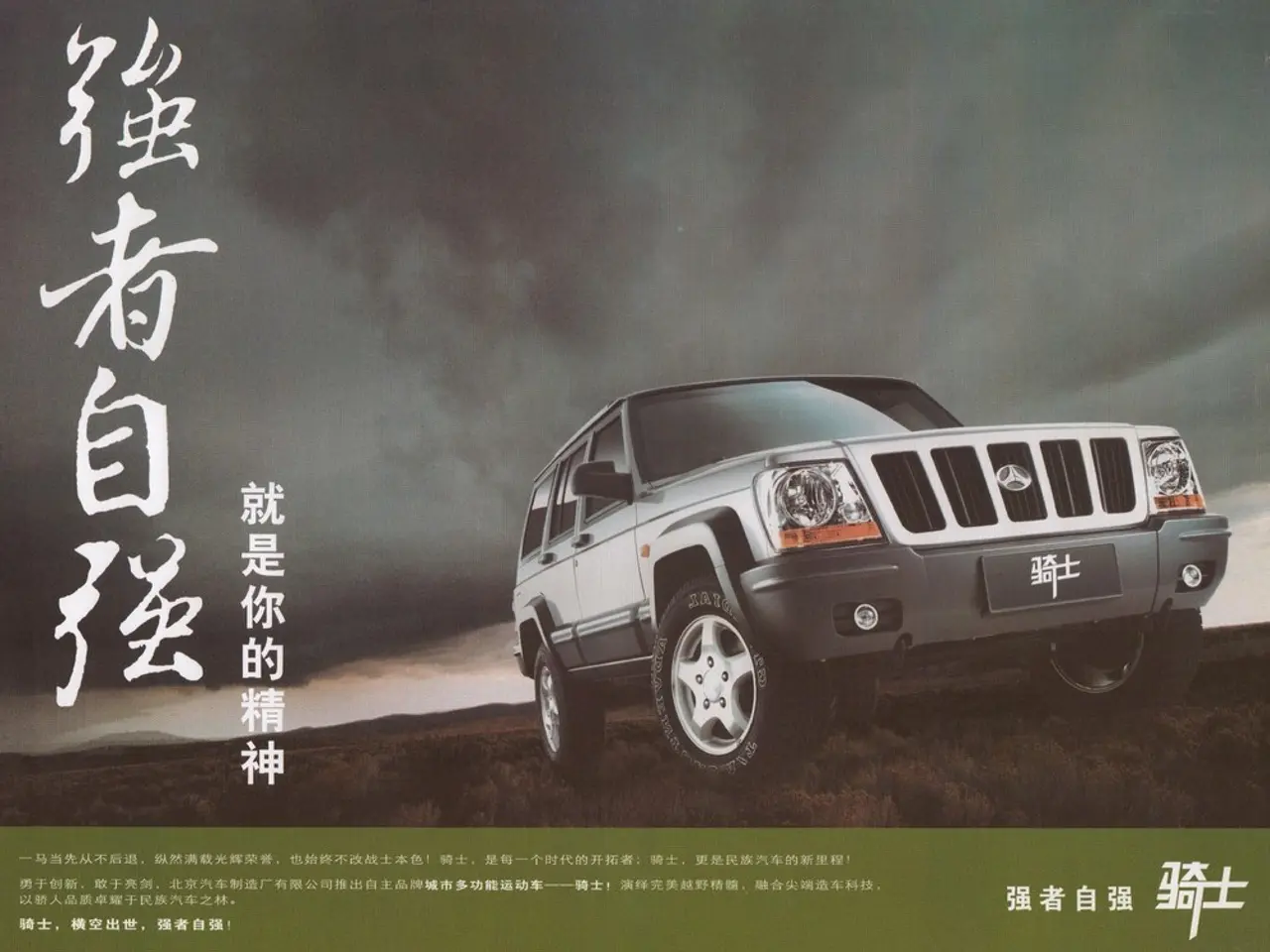
Chinese vehicles face criticisms for financial flaws, as discussed by an industry expert
In a recent interview with "Tatar-Inform", Maxim Kadakov, chief editor of "Behind the Wheel" publication, shed light on common technical challenges faced by Chinese cars, particularly in the areas of suspension, air conditioning, and climate control systems.
Chinese car brands have made significant strides in the Russian market, filling the void left by the departure of Western automakers. However, it seems that not all Chinese cars live up to the same standards when it comes to their performance and durability.
One area of concern is the suspension system. While high-end electric vehicles like the NIO ET9 have been praised for their smooth suspension comparable to German luxury brands, many lower-cost Chinese cars may suffer from less durable suspension components. This can lead to expensive repairs over time due to premature wear of parts like shocks, struts, and bushings, especially if they are not designed for rough road conditions or long-term durability.
Another issue lies with the air conditioning systems. Chinese cars sometimes face problems involving compressor failures, refrigerant leaks, and electronic climate control malfunctions. These problems can be costly to fix because they might require replacement of the AC compressor, refilling refrigerant, or repairing electronic modules. The variability in parts quality and after-sales support can affect repair costs.
The climate control systems in Chinese cars also pose challenges. Advanced climate control systems (automatic temperature control, sensor-based humidity and temperature regulation) in Chinese cars may suffer from sensor failures, software glitches, or poor calibration, leading to inconsistent cabin comfort. Diagnosing and repairing these climate control electronics can be more expensive than manual systems.
Despite these challenges, it's important to note that not all Chinese car manufacturers have issues with the durability of their suspension systems. Some brands offer extended warranties (up to 8-10 years on batteries and several years on the vehicle) to mitigate owner concerns about these types of expensive repairs.
Moreover, the availability of replacement parts and qualified service centers outside China can also impact repair costs, sometimes making technical issues more expensive due to import fees and specialized labor requirements.
In summary, while premium Chinese electric vehicles show strengths in suspension quality, common expensive issues in Chinese cars often arise from less robust suspension components, AC compressor failures, refrigerant leaks, and climate control electronic faults. Owners should be aware of these potential issues and consider extended warranties offered by many Chinese manufacturers to help offset these expenses.
[1] Automotive Industry Insights, 2025. [2] Maxim Kadakov, "Behind the Wheel" publication, 2022.
- Different Chinese car brands have managed to penetrate the Russian market, filling the space left by Western automakers.
- In the sphere of suspension systems, high-end electric cars like the NIO ET9 have received praise, yet some lower-cost Chinese cars may face challenges with their suspension components' durability.
- AC system problems, such as compressor failures, refrigerant leaks, and electronic climate control malfunctions, are another issue in Chinese cars, which can lead to expensive repairs due to replacement or repair costs of the AC compressor, refrigerant, or electronic modules.
- Climate control systems in Chinese cars can also encounter issues, including sensor failures, software glitches, or poor calibration, leading to costly diagnoses and repairs compared to manual systems.