Cab companies Uber and Ola face scrutiny as they are asked to provide justification for their fares, amid ongoing taxi driver strikes.
In a bid to ensure fair pricing and compliance with official rates, the Mumbai transport department has called for explanations from ride-hailing companies like Ola, Uber, and Rapido regarding their fare structures. This move comes in the wake of ongoing protests by cab and auto drivers, who have been demanding fare rationalization and other reforms.
According to the new Aggregator Cabs Policy 2025, which is set to bring some significant changes to ride-hailing services in Maharashtra, cab aggregators are now prohibited from charging 1.5 times more than the regular fare structure during peak hours. However, the policy also mandates that the fare structure will be monitored by transport authorities.
The transport commissioner's office held separate meetings with union leaders and the officials of the cab aggregator apps on Tuesday, where it was decided that the companies should provide a written explanation on how they determine the app-based fares and how they differ from the RTO-approved rate.
The conflict between the drivers and the transport authorities comes at a time when Maharashtra is planning to bring in the new Aggregator Cabs Policy 2025. The policy aims to bring reforms to ride-hailing services, including provisions for driver welfare and accidental insurance.
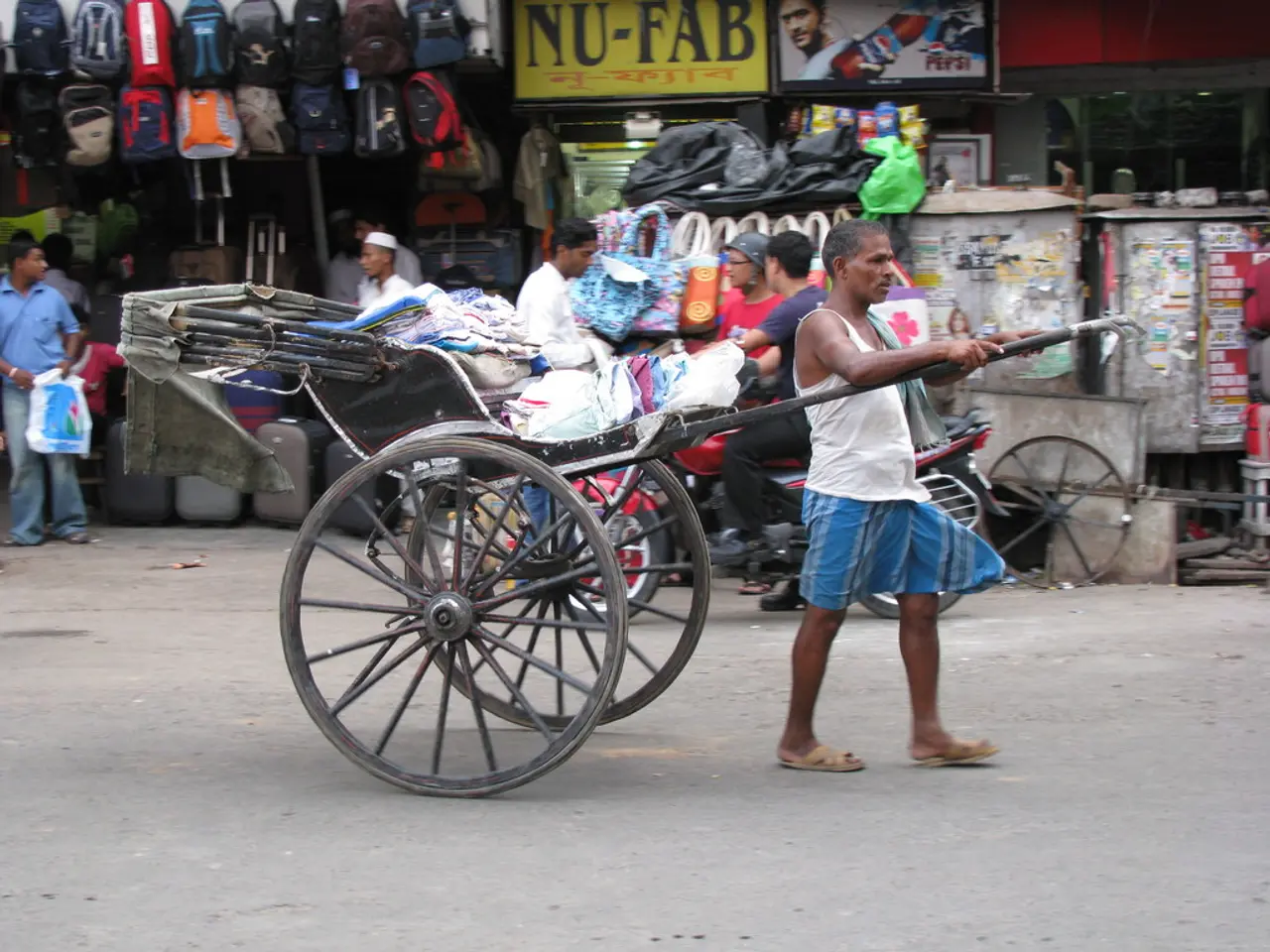
Last week, a strike by cab and auto drivers brought the public transport system of Mumbai and other cities in Maharashtra to a standstill. The strike, which started on July 9, paused temporarily on Saturday till Tuesday. The drivers' demands include rationalization of cab fares, bringing it at par with conventional cabs, prohibition of bike taxis, a cap on permits, formation of a welfare board for drivers of app-based cabs, and enactment of the 'Maharashtra Gig Workers' Act'.
It is important to note that fares in Mumbai are based on government-set base rates per vehicle type. Aggregators can apply dynamic pricing within prescribed limits (up to 2 times the base fare during peak hours, no less than 0.5 times off-peak). The base fares themselves are determined by state transport authorities, and if a state has not set these rates, platforms must submit their proposed fares for approval.
However, the Mumbai transport commissioner office has recently demanded explanations from Ola, Uber, and Rapido on how they calculate fares and how these compare to the RTO-approved rate structures in Mumbai and other cities. No finalized data is yet available publicly on how the fares of these companies in Mumbai compare quantitatively with RTO-approved fares in different cities, but regulatory oversight is actively underway.
The state government has also taken legal actions against bike taxis, registering cases against 123 bike taxi drivers operating in the region.
The new Aggregator Cabs Policy 2025 also mandates welfare of the drivers, providing accidental insurance. The demands of the drivers also include enacting the 'Maharashtra Gig Workers' Act' on the lines of other states.
The detailed public comparisons of app fares versus RTO-approved rates across cities have not yet been released. However, the ongoing discussions and regulations aim to ensure a fair and transparent pricing system for both the ride-hailing companies and the drivers, while also addressing the concerns of the commuters.
[1] Source: https://www.mothership.sg/2021/06/uber-grab-india-fares-increase/ [2] Source: https://www.thehindu.com/news/cities/Mumbai/cab-auto-strike-in-mumbai-affects-commuters/article35191110.ece [3] Source: https://www.livemint.com/auto/news/cab-drivers-stage-protest-in-mumbai-demanding-fair-fares-11626111559848.html [4] Source: https://economictimes.indiatimes.com/industry/transportation/logistics/mumbai-transport-dept-asks-ola-uber-rapido-for-explanation-on-fare-calculation/articleshow/90873393.cms?from=mdr
- The ongoing discussions between the Mumbai transport authorities and ride-hailing companies like Ola, Uber, and Rapido are centered around general-news topics, such as the fare structures of the companies and their compliance with RTO-approved rate structures in finance, which are crucial for maintaining fair pricing within the transportation industry.
- As the state government in Maharashtra is in the process of implementing the Aggregator Cabs Policy 2025, changes will be brought to the business of ride-hailing services, with an emphasis on driver welfare provisions, accidental insurance, and the regulation of fare structures, all of which are related to politics.
- With the ongoing fare protests by cab and auto drivers and the legal actions taken against bike taxis, the media (general-news) has been extensively covering the industry's finance sector, particularly the controversies surrounding app-based fares and the difference between these fares and the RTO-approved rates.